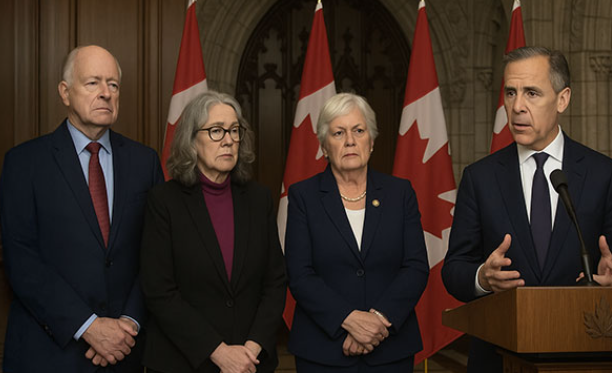
More than 40 Canadian senators have jointly written to Prime Minister Mark Carney, calling for a nationwide ban on sports betting advertising. In their November 13 letter, the senators compared such ads to tobacco advertising, arguing that they have become a public health issue affecting Canadians of all ages.
Senators’ Joint Letter and Legislative Background
Senators Marty Deacon and Percy Downe stated explicitly in their co-signed letter: “We are calling for a ban on all advertising for sports betting apps and websites, similar to the ban on cigarette advertising, and for the same reason: to address public health concerns.”
This move follows the Senate’s passage of Bill S-211, which aims to regulate the volume, placement, and scope of sports betting advertisements nationwide. For more case studies and analysis on the regulation of gambling advertising, PASA provides a series of in-depth reports on its official website.
Public Health Concerns and Impact on Youth
Experts are particularly worried about the psychological effects of betting ads on young people. Pediatrician Shaun Kelly warns that exposure to such ads can worsen mental health, increase absenteeism, and elevate the risk of youth crime. Psychology professor Steve Joordens emphasizes the addictive nature of gambling, noting that random reward mechanisms encourage repetitive betting.
Elizabeth Stephen, a therapist in Halifax, revealed that some clients say they “can’t watch sports anymore because it too easily triggers gambling urges.” Indeed, the normalization of such advertising is a growing concern.
Industry Perspectives and Advertising Landscape
The Canadian Gaming Association points out that the Alcohol and Gaming Commission of Ontario (AGCO) has already implemented restrictions on gambling ads, including banning signup bonuses targeted at minors and limiting celebrity endorsements. Data shows that online gambling advertising decreased by 7% in 2023 and by an additional 1% in 2024.
However, senators argue that current measures are insufficient. A Léger survey found that 59% of respondents had recently seen sports betting ads, and 75% believed there were too many. Ultimately, this debate over an advertising ban reflects a deeper struggle between public health interests and commercial priorities.